Source Disposable Lighted Surgical Anoscope for Anorectal, Urology, and Anal Examination
Find 26 listings for the disposable lighted surgical anoscope to compare specifications like sterilization, size, and packaging. Buyers can review options from Chinese manufacturers offering OEM services and CE or ISO certifications for medical supply needs.
Key considerations
Products List







Comprehensive Sourcing Guide
Strategic Sourcing Guide for Disposable Lighted Surgical Anoscopes
Understanding the Product Category and Core Specifications
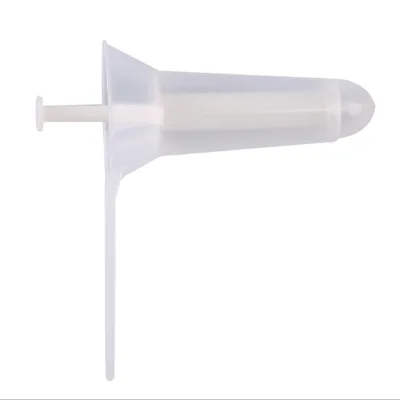
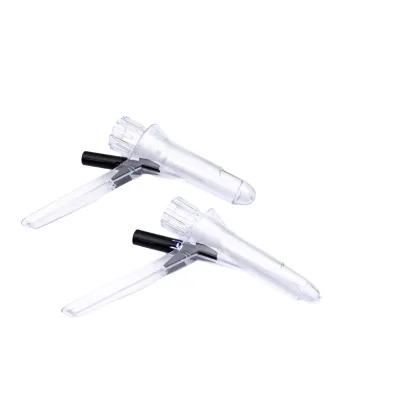
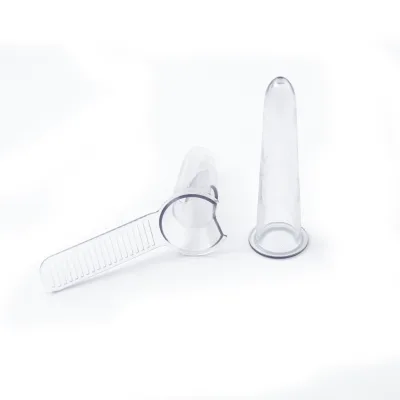
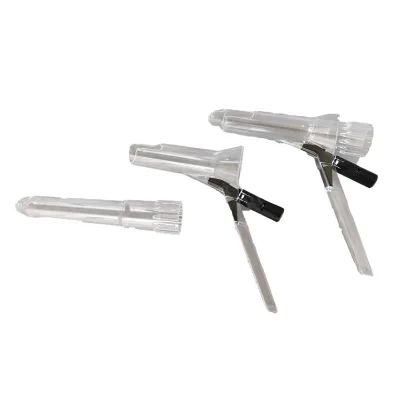
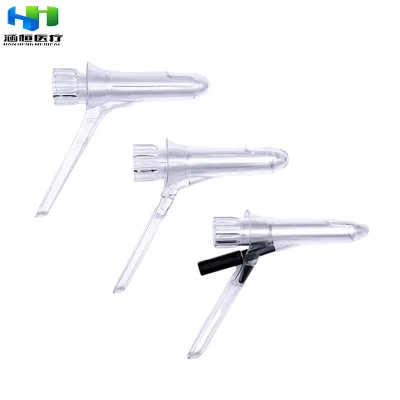
The disposable lighted surgical anoscope represents a specialized class of medical instrumentation designed for anorectal and urological examinations. Unlike reusable metal instruments that require complex sterilization cycles between patients, these devices are engineered for single-use applications to minimize cross-contamination risks. The core product definition centers on a transparent, lighted viewing system that allows clinicians to visualize the anal canal and lower rectum with high clarity.
Based on observed market data, the primary material composition for these devices is plastic, specifically selected for its optical clarity and cost-effectiveness in mass production. The physical form factor typically adheres to standardized sizing models, with common specifications including Small (S), Medium (M), and Large (L) dimensions. Some product listings explicitly denote the model as "anoscope with light" or "disposable anoscope," indicating the integration of a light source directly into the device structure. The color profile is consistently described as high transparent or transparent, a critical feature that ensures the clinician has an unobstructed view of the tissue during the procedure.
The illumination mechanism is a defining characteristic of this product category. The devices are powered by an internal battery system, eliminating the need for external fiber-optic cables or light sources that can be cumbersome in a clinical setting. This self-contained power source ensures consistent brightness and ease of use. The optical properties are often highlighted as "clear with light," suggesting a design that maximizes light transmission through the plastic body to illuminate the examination field effectively. The application scope is broad, covering anorectal diagnostics and general urology, making these devices versatile tools for various medical departments.
Compliance, Certification, and Regulatory Standards
Navigating the regulatory landscape is paramount when sourcing medical devices. For disposable surgical anoscopes, compliance is not merely a formality but a prerequisite for market access and patient safety. The supplied product data indicates a convergence of several critical certifications that buyers must verify. The most frequently observed certifications include CE marking, which signifies conformity with health, safety, and environmental protection standards for products sold within the European Economic Area. Additionally, ISO13485 is a recurring standard in the data, representing the specific quality management system requirements for medical device manufacturers.
Beyond the quality management system, the products often list FDA approval, indicating compliance with the United States Food and Drug Administration regulations for medical devices. Some listings also reference ISO9001, a general quality management standard, alongside the more specific ISO13485. It is important to note that while "ISOCE" appears in some data points, buyers should verify the exact nature of this certification, as it may be a typographical variation or a specific regional designation. The presence of these certifications suggests that the manufacturing facilities adhere to rigorous quality control protocols, but buyers must always request current, valid certificates for the specific batch or model being purchased.
Sterilization status is another critical compliance factor. The data explicitly mentions "Ethylene Oxide Sterilization" (E.O. Sterile) and "Disinfecting Type: EOS." This indicates that the devices are supplied in a sterile state, ready for immediate use without further processing. The use of Ethylene Oxide is a standard method for heat-sensitive medical plastics, ensuring that the device is free from viable microorganisms. Buyers must confirm that the sterilization process is validated and that the packaging maintains the sterile barrier until the point of use. The shelf life is typically cited as three years, which is a standard duration for sterilized medical devices, but this should be verified against the specific lot number on the packaging.
Cost Drivers and Pricing Dynamics
The pricing structure for disposable lighted surgical anoscopes is influenced by several variable factors, including volume, customization, and packaging requirements. The observed price range in the market spans from $0.10 to $1.50 USD per unit. This wide variance suggests that the final cost is highly dependent on the specific configuration of the order. Lower price points are often associated with basic, non-customized units ordered in high volumes, while higher prices may reflect added features such as enhanced lighting, specific branding, or specialized packaging.
Minimum Order Quantity (MOQ) is a significant driver of unit cost. The data reveals a broad MOQ range, from as low as 1 unit for samples to as high as 10,000 units for bulk industrial orders. Specific listings indicate MOQs of 1,000 pieces or 3,000 pieces. Ordering above these thresholds typically results in a lower per-unit cost due to economies of scale in manufacturing and logistics. Conversely, smaller orders, such as those for trial purposes or small clinic stocking, will naturally carry a higher unit price.
Customization is another key cost driver. The product attributes confirm that OEM (Original Equipment Manufacturer) services are available and customizable. This includes options for logo printing, which can be either "With Logo Printing" or "Without Logo Printing." The inclusion of custom branding adds to the production complexity and cost. Furthermore, packaging variations, such as "1PC/Bag," "100PCS/Carton," or "25PCS/Box, 100PCS/CTN," can influence the final price. Complex packaging solutions that require additional materials or labor will increase the overall cost per unit. Buyers should balance the need for customization against their budget constraints, understanding that every added feature impacts the final price.
Typical Applications and Clinical Utility
The primary clinical application of the disposable lighted surgical anoscope is the examination of the anorectal region. These devices are essential tools for diagnosing conditions such as hemorrhoids, fissures, fistulas, and polyps. The lighted feature is particularly valuable in low-light environments or for deep tissue visualization, allowing for a more accurate diagnosis than non-illuminated instruments. The transparent nature of the plastic body ensures that the light is distributed evenly, reducing shadows and glare that could obscure critical details.
In addition to anorectal use, the product data notes applications in urology. This suggests that the device can be adapted for various internal examinations where direct visualization is required. The disposable nature of the device makes it ideal for high-volume clinics, emergency rooms, and surgical centers where infection control is a top priority. The ability to use a fresh, sterile instrument for every patient eliminates the risk of cross-contamination, which is a significant concern in procedures involving mucous membranes.
The sizing options (S/M/L) allow clinicians to select the appropriate instrument based on patient anatomy, ensuring a comfortable and effective examination. The battery-powered light source provides a reliable and portable solution, making these devices suitable for use in various settings, from well-equipped hospitals to field clinics. The three-year shelf life ensures that facilities can stock these devices without the immediate pressure of rapid expiration, provided they are stored according to manufacturer guidelines.
Supplier Evaluation and Quality Assurance
When evaluating potential suppliers for disposable lighted surgical anoscopes, buyers must look beyond the basic product description. The origin of the product is listed as China, which is a major manufacturing hub for medical devices. However, the location alone does not guarantee quality. Buyers should verify the supplier's adherence to the claimed certifications, particularly ISO13485 and CE, by requesting current audit reports. The presence of "Quality Guarantee Period: Two Years" in some listings indicates a commitment to product durability and performance, but this should be clarified as it pertains to the shelf life or the functional integrity of the device before use.
Quality control processes are critical in the production of medical devices. Buyers should inquire about the supplier's in-process testing protocols, including checks for light intensity, battery life, and structural integrity of the plastic. The "Ethylene Oxide Sterilization" process must be validated to ensure that the sterilization is effective and that no harmful residues remain. Additionally, the packaging must be robust enough to maintain the sterile barrier during shipping and storage. The observed packaging methods, such as "Paper-Plastic/Blister" or individual bagging, should be evaluated for their ability to protect the device from damage and contamination.
Sample availability is a crucial step in the supplier evaluation process. The data confirms that samples are available and often provided for free. Buyers should utilize these samples to test the device in a real-world clinical setting. This allows for an assessment of the light quality, the ease of handling, and the overall user experience. The ability to test the product before committing to a large order is a significant advantage in mitigating procurement risks.
Long-Term Procurement and Operational Considerations
Sourcing disposable medical devices involves long-term strategic planning beyond the initial purchase. Lead times are a critical factor in supply chain management. The observed delivery times range from 7 to 10 days, which is relatively short but can vary based on order volume and shipping method. Buyers should plan their inventory levels to account for potential delays, especially if the supplier is located in a different region. The "10 days" delivery time mentioned in the data should be treated as a baseline, and buyers should confirm the exact lead time for their specific order size.
Inventory management is another consideration. With a shelf life of three years, facilities can maintain a buffer stock without the risk of rapid expiration. However, the "100PCS/Carton" and "25PCS/Box" packaging formats suggest that storage space must be optimized. Buyers should consider the storage requirements for these items, ensuring that they are kept in a dry, cool environment to preserve the integrity of the plastic and the battery.
The availability of free samples and the flexibility in customization (OEM) offer opportunities for long-term partnerships. Buyers can negotiate volume discounts over time, especially if they commit to regular, recurring orders. The ability to customize the product with a specific logo can also enhance the brand identity of the medical facility. However, buyers must ensure that any customization does not compromise the sterility or functionality of the device.
In conclusion, the procurement of disposable lighted surgical anoscopes requires a balanced approach that considers technical specifications, regulatory compliance, cost dynamics, and supplier reliability. By carefully evaluating these factors, medical facilities can ensure a steady supply of high-quality instruments that meet the needs of their patients and staff. The market offers a range of options, from basic models to highly customized solutions, allowing buyers to tailor their procurement strategy to their specific operational requirements.
FAQs
What certifications do these disposable lighted surgical anoscopes hold?
These devices typically hold CE, FDA, and ISO13485 certifications to ensure medical safety. Some listings also reference ISO9001 or ISO13485 for quality management. Buyers must verify current certificates for the specific batch before purchasing.
How are these anoscopes sterilized before use?
The products are sterilized using Ethylene Oxide to ensure they are safe for immediate clinical use. This method is suitable for heat-sensitive plastic materials. The sterile barrier is maintained until the point of use to prevent contamination.
What is the minimum order quantity for bulk purchases?
Minimum order quantities vary significantly, ranging from 1 unit for samples to 10,000 units for bulk orders. Specific listings indicate MOQs of 1,000 or 3,000 pieces depending on the configuration. Higher volumes generally result in lower per-unit costs.
Can buyers request custom logo printing on the devices?
Yes, OEM customization is available, including options for logo printing with or without branding. This service allows facilities to enhance their brand identity. However, customization may impact the final price and production lead time.
What is the typical delivery time for these medical supplies?
Delivery times are generally short, ranging from 7 to 10 days for standard orders. This duration can vary based on order volume and shipping methods. Buyers should confirm exact lead times for their specific order size before finalizing procurement.
How long is the shelf life of the sterile anoscopes?
The shelf life is typically cited as three years for these sterilized medical devices. This duration allows facilities to maintain buffer stock without immediate expiration pressure. Proper storage in a dry, cool environment is required to preserve integrity.
What packaging formats are available for these surgical instruments?
Packaging options include 1PC/Bag, 100PCS/Carton, or 25PCS/Box with 100PCS/CTN. Some listings specify Paper-Plastic/Blister packaging for sterile protection. The chosen format affects storage optimization and shipping logistics for the buyer.